Against the Infinite
In the world of collectible design, value is rarely determined by material alone. It is shaped by origin, intention, authorship, and the quiet but powerful story of how an object came into being.
The practice of editioning—producing a work in a finite number—emerged as a way to preserve both integrity and accessibility in art. From the numbered prints of Pablo Picasso to the conceptual multiples of Sol LeWitt, artists have long used editions to balance reach with restraint. An edition establishes a boundary. It declares that a work belongs to a defined body, made within a specific moment of thought and practice. That boundary is what allows a piece to carry clarity—of authorship, time, and intent.
Within editions, there exists an even more intimate category: the artist’s proof.
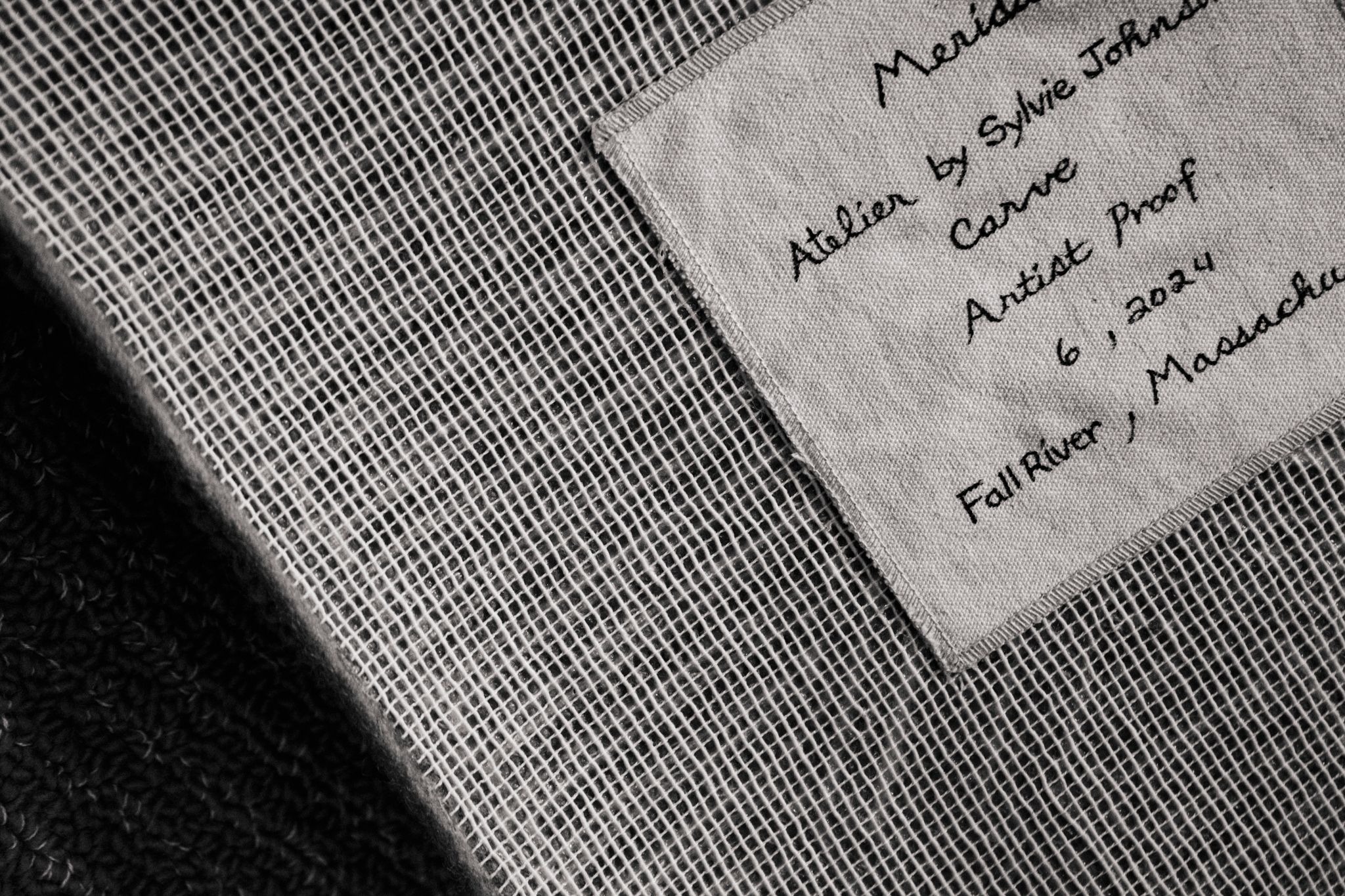
Historically marked “A.P.” or “E.A.” (épreuve d’artiste), artist’s proofs originated as the first impressions pulled from a plate or mold—kept by the artist before the numbered edition was released. These works were not secondary; they were primary. They were the moment when vision became form. They often carry subtle distinctions—slight tonal shifts, refinements, or traces of experimentation—that record the immediacy of creation.
In contemporary collectible design, that immediacy still matters.
An artist’s proof represents the closest physical translation of an artist’s original intention. It is the work made in the proportions first imagined, in the color relationships first resolved, at the scale that lived in early sketches and studio conversations. It is the piece the artist handles, adjusts, and ultimately approves. Sometimes it carries literal fingerprints; always it carries figurative ones. It holds the energy of arrival—the point at which an idea becomes tangible.
Editioned works extend that arrival into a shared language. They preserve the structure, composition, and conceptual framework of the original proof while allowing for dialogue: shifts in scale, reinterpretations in color, adjustments to suit new architectural contexts. The spirit remains intact; the expression evolves. In this way, editions honor both authorship and adaptability—integrity and invitation.
Yet beyond editioning lies another concept that deepens significance: provenance.
Provenance is the documented history of a work—its maker, its place of origin, its custodians over time. In fine art, provenance determines authenticity and cultural importance. A painting once held in a notable collection, exhibited at a museum, or retained by the artist carries layers of narrative that enrich its meaning. The same is true in collectible design. Knowing where and how a piece was made—and by whom—anchors it within a lineage, its story only enriched by the life it leads after leaving its creators.
In an era of mass production and digital replication, provenance has become a form of reassurance. It affirms that an object is not anonymous. It has roots: it belongs to a specific workshop, a particular group of hands, a defined philosophy of making.
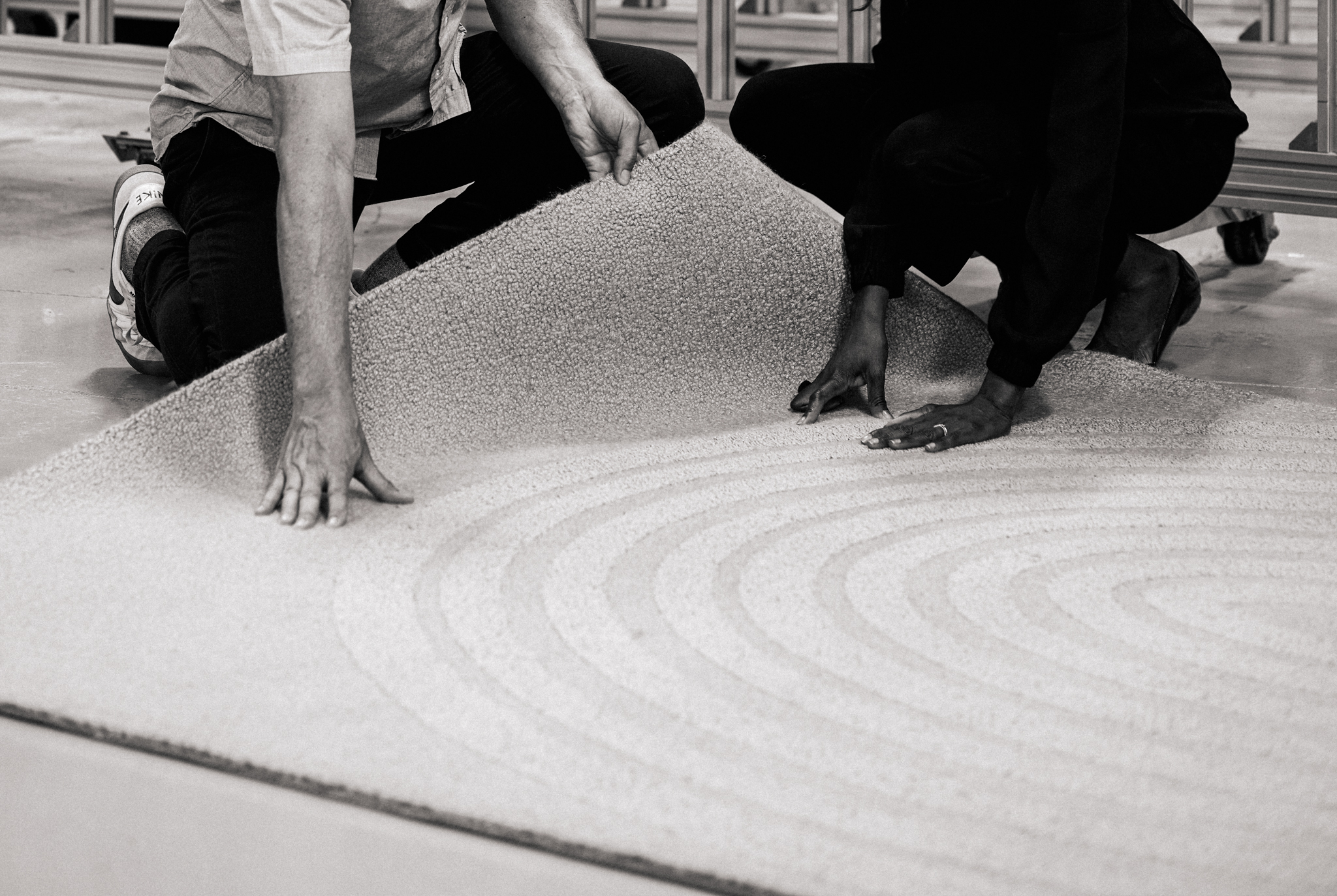
Within the United States, true artisan workshops are increasingly rare. To maintain a culture of handwork—to invest in apprenticeship, to cultivate technical mastery over years rather than weeks—is an act of long-term stewardship. It is a commitment to savoir-faire not as nostalgia for a bygone era, but as a living pursuit of a thoughtful future. When a work emerges from such a studio, its provenance is not simply a certificate; it is a continuum of knowledge passed from artisan to apprentice, from artist to weaver, from concept to creation.
For collectors and first-time participants alike, understanding editions and provenance opens a different way of seeing. A limited work is not valuable merely because it is scarce. It is valuable because it exists within a defined narrative of intention, making, and authorship. An artist’s proof is not meaningful solely because it is rare, but because it marks the precise moment vision met material.
To live with such a piece is to live with more than form. It is to live with origin, with story.
And in a culture increasingly saturated with the limitless, there is something grounding—almost radical—about the finite.