The Work Between Us
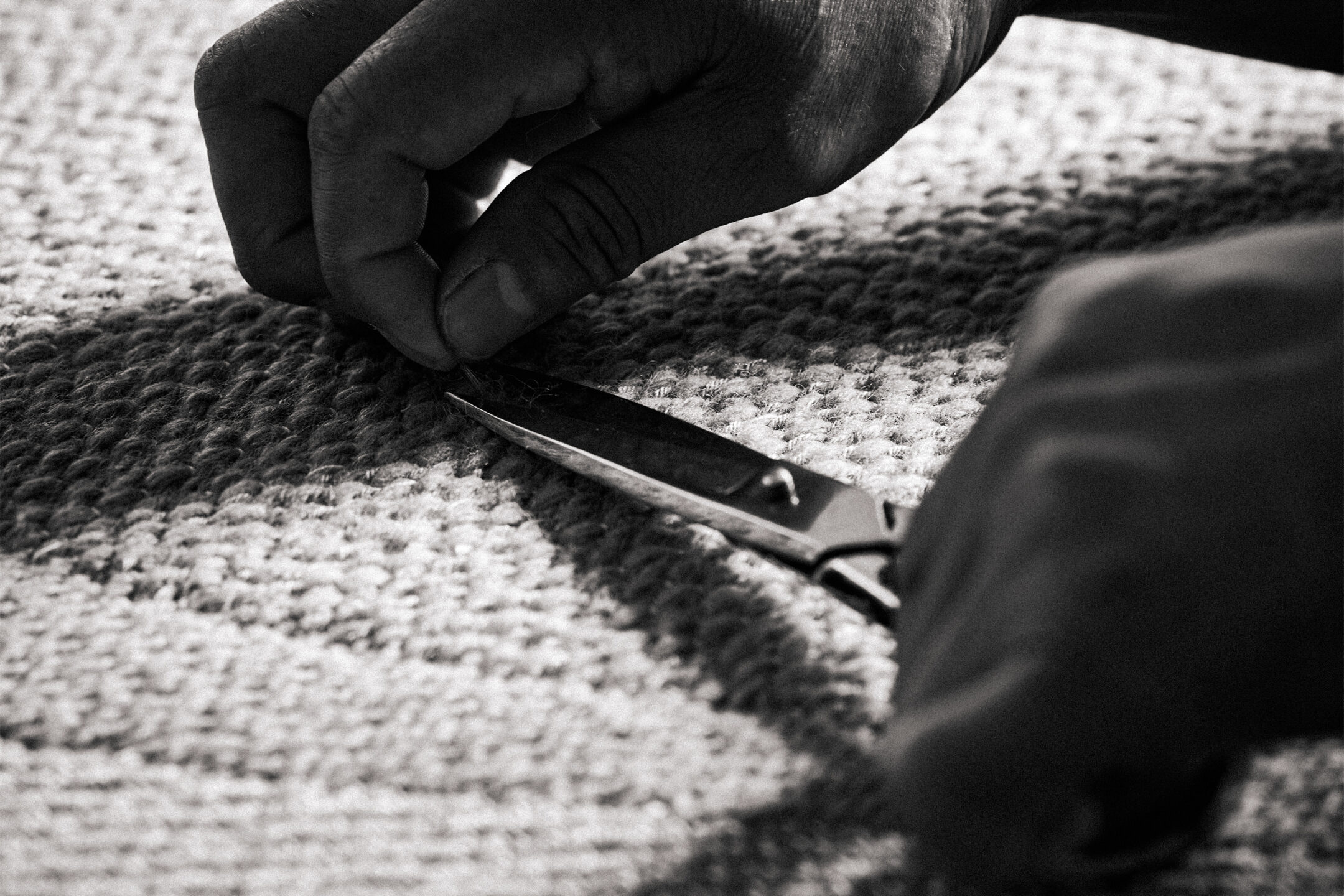
There is a difference between something that is made to fill a space and something that reshapes how a space is experienced. At Merida Studio, that distinction begins with people—not only in the sense that each piece is made by so many hands, but in the way every design originates from an individual perspective and continues to evolve through many others. The studio exists to support those perspectives, from artist to designer to craftsperson, and ultimately to the client, whose own vision and setting complete the work. In this way, each piece carries not a singular authorship, but a layered one.
It is only objects shaped by perspective that have the capacity to affect those around them. When we surround ourselves with work that carries intention and point of view, it begins to quietly influence our own—shaping not only how a space looks, but how it is felt and lived in over time.
This philosophy is shared across the entirety of the studio’s work. While the artist series begin with a singular voice, the Studio Series expands that authorship outward, inviting interpretation and change. The intention, however, remains the same: to create work that is not simply seen, but felt—work that engages with the emotional life of a space and, by extension, the person living within it. These are not designs created to follow trends or resolve surfaces, but to introduce something more lasting: a sense of atmosphere, of presence, and of quiet transformation over time.
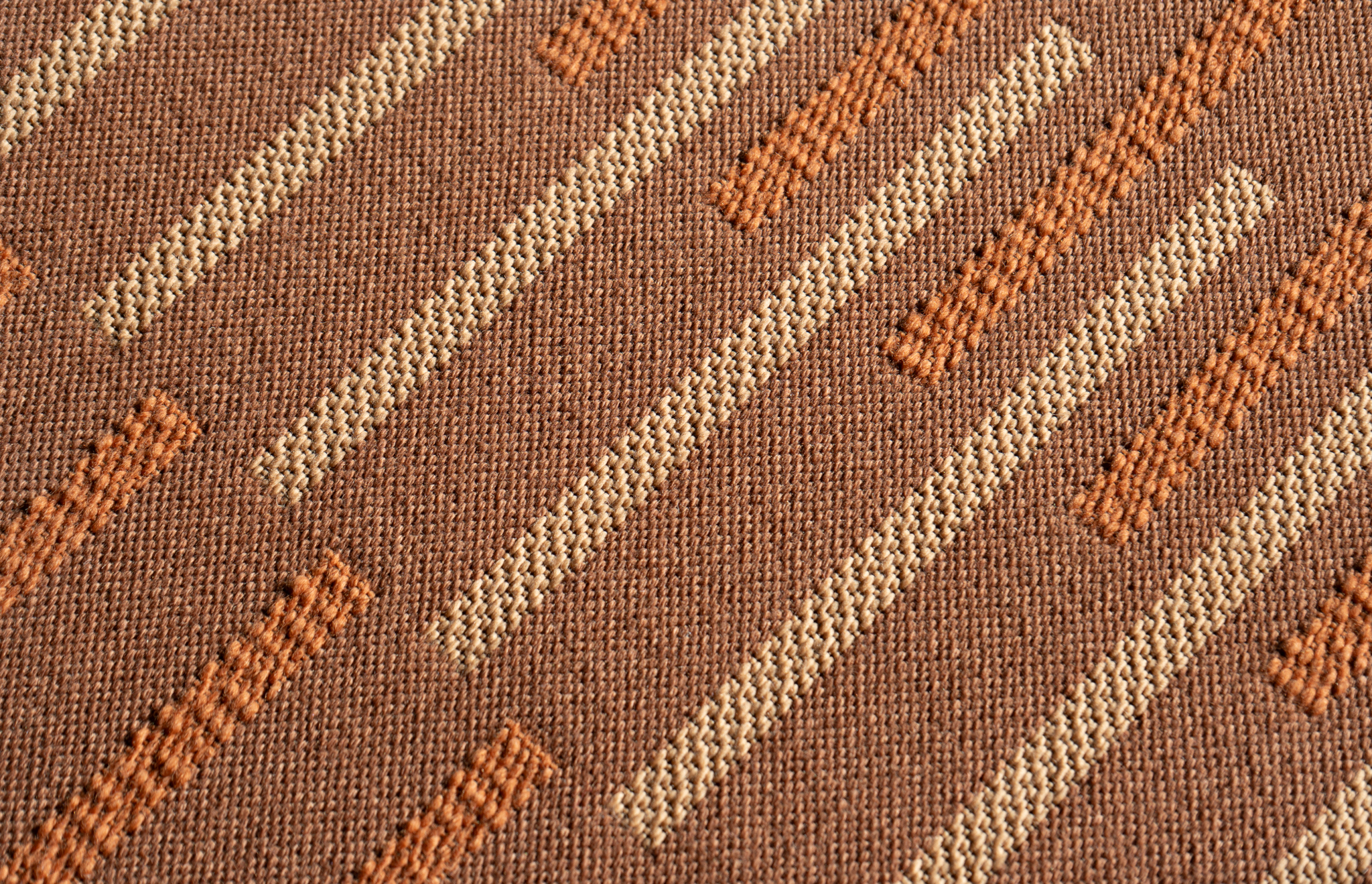
The starting point for each design is often something deeply personal. Adeline Thibeault describes becoming absorbed in the act of knitting in the round, watching a tunnel-like form emerge in her hands and wanting to translate that sense of immersion into a portal-like textile: thus Lagoon was born.
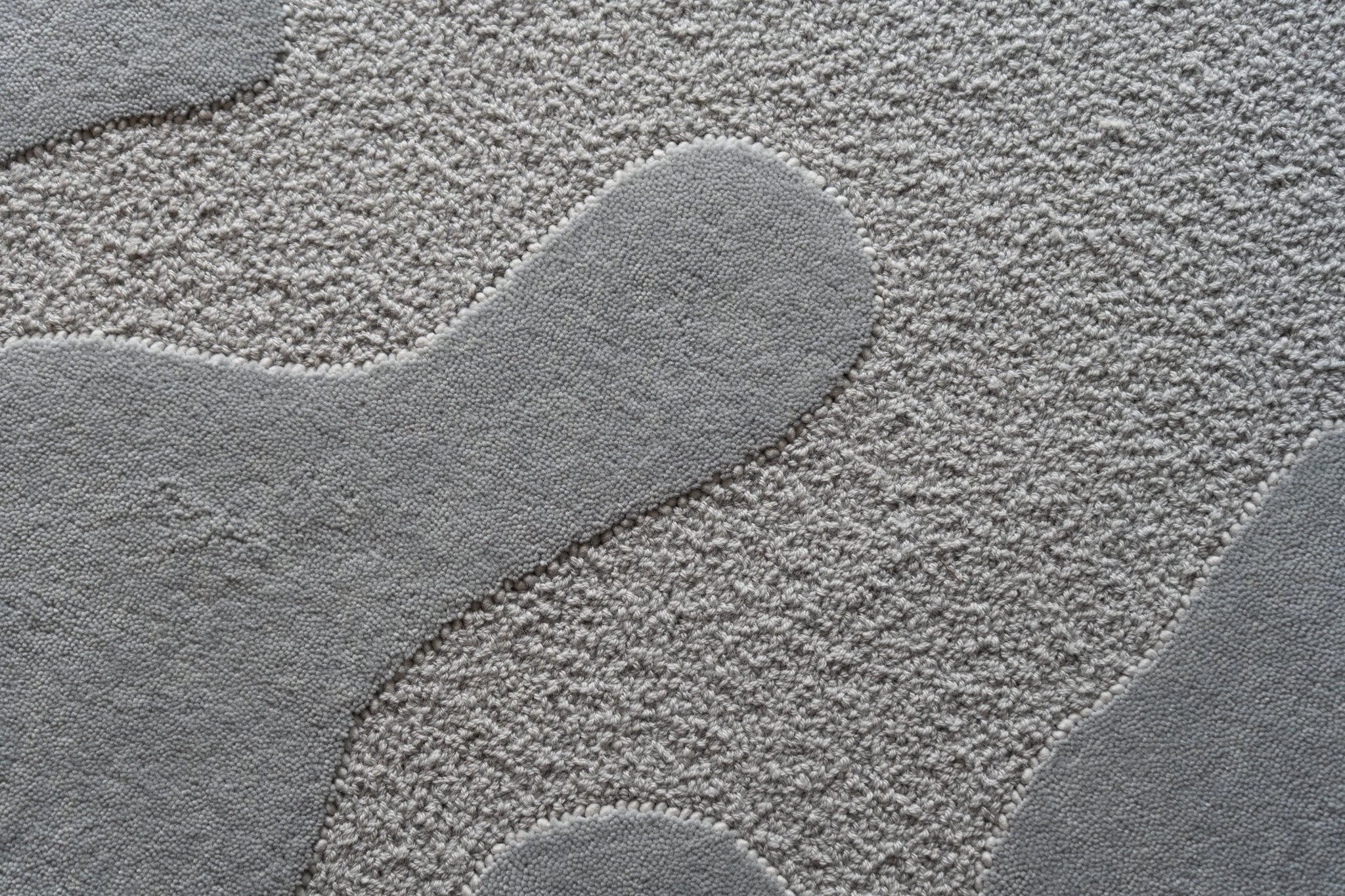
Barbara Schnegg recalls the view from an airplane window on her way to Switzerland, where fields flattened into beautiful geometry—patches of earth reduced to tone and structure, yet still carrying the softness of the landscape. Pasture is her expression of this.
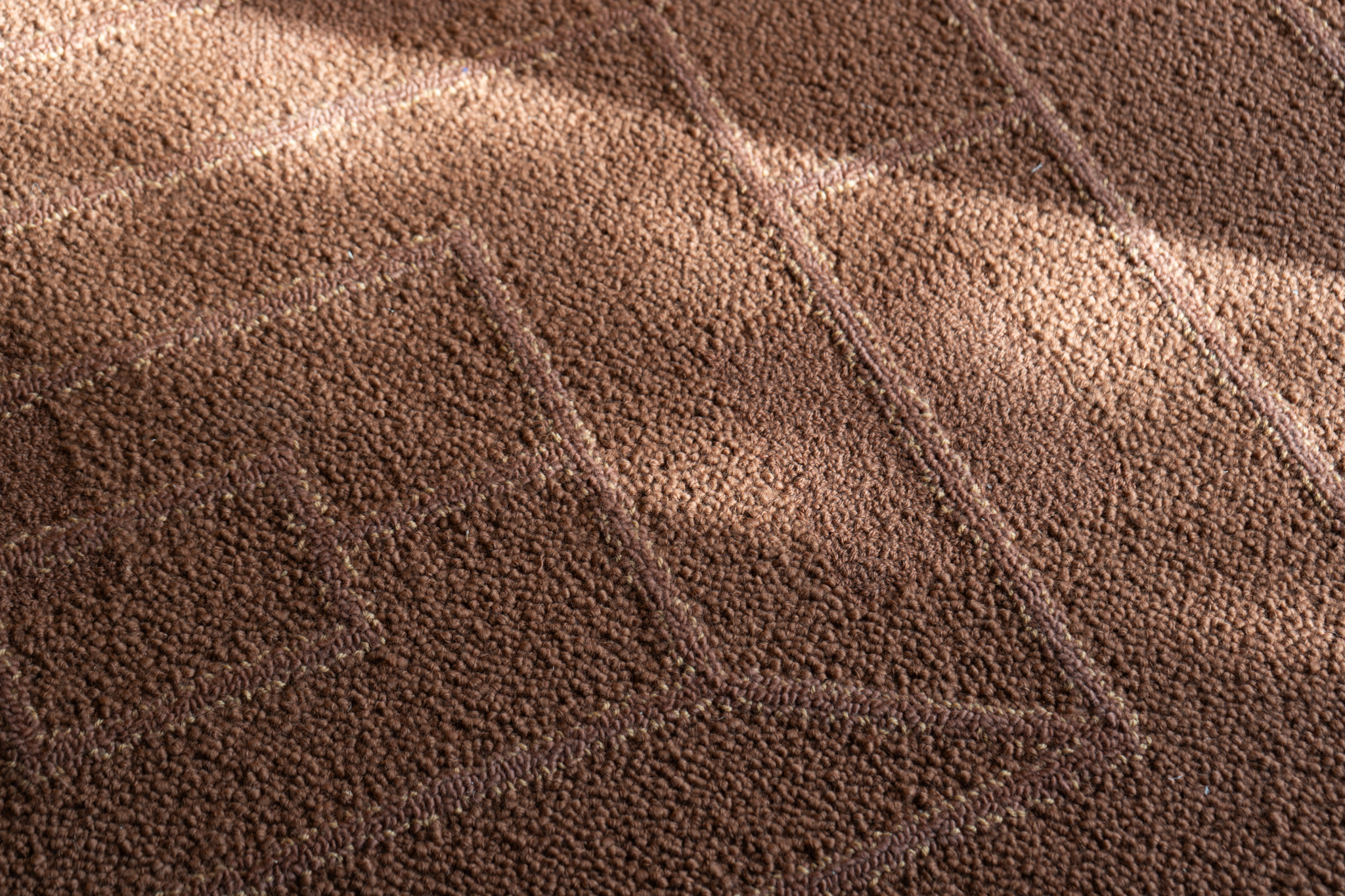
For Maris Van VLack, the interest lies in the tension between imposed geometry and the natural world, drawing from hedge mazes and basketball courts as moments where rigid systems intersect with lived environments. Maze now exists as a playful labyrinth.
What unites these references is not their visual outcome, but their origin in lived experience. The designs are not conceived as fixed compositions, but as frameworks—structures that hold an idea while remaining open to interpretation. The role of the designer is not diminished in this process, but expanded; authorship becomes shared, and the work gains a dimension it could not have reached alone. Rather than delivering a predetermined product, Merida Studio facilitates a process—one that allows for dialogue between intention and outcome.
“The process with clients is super exciting. We can of course visualize so many things with renderings, but at the end of the day, it becomes something wholly different when it’s made… it’s magical to see it come to life. Every time a client creates something new, it’s new for us, too,” says Adeline, “That part of the process never gets old.”
It is at this stage that the work often becomes something unexpected, even to those who created it. Each iteration brings with it a degree of discovery, not only for the client, but for everyone at the studio as well.
Upon finishing her latest design, Barbara remarks, “I can’t wait to see what clients will do with it, what their ideas are. I can’t wait to see what I never thought of.”
Underlying this process is a belief in the emotional and even metaphysical potential of functional art. To live with a textile is to encounter it daily, often without conscious attention—to walk across it, to sit beside it, to notice, over time, how it responds to light and movement. These interactions may be subtle, but they accumulate, shaping the atmosphere of a space and influencing how it is felt. In this sense, the work extends beyond its physical form; it becomes part of a lived environment, contributing to mood, memory, and presence.
Merida Studio’s role is not to prescribe that experience, but to create the conditions for it to emerge. By valuing the perspectives of its artists, designers, craftspeople, and clients equally, the studio builds a system in which each piece is the result of many hands and many ways of seeing. The Studio Series makes this especially visible, not as a departure from the artist series, but as a continuation of its core ethos—one that understands art not as something separate from daily life, but as something that can be woven into it.
The new Studio Series designs are, in this sense, not conclusions but beginnings. They offer a point of entry into a process that is inherently human, shaped by experience, collaboration, and change. What ultimately emerges from that process is not just a finished object, but something more enduring: a piece that reflects the convergence of different perspectives, and in doing so, becomes uniquely its own within the life it enters.